

Parking rules in Abu Dhabi: Mawaqif fees, timings and fines
Abu Dhabi public parking under the Mawaqif system generally costs AED 2 per hour or AED 15 per day for standard parking and AED 3 per hour for premium parking. Paid hours usually run from 8:00 AM to midnight, while Sundays and official public holidays are generally free. Premium parking has a maximum stay of four hours, and marked residential spaces are normally reserved for permit holders from 9:00 PM to 8:00 AM. Anyone who has embraced life in Abu Dhabi should understand the parking rules in Abu Dhabi before using street parking-
Table of contents
Why do parking rules in Abu Dhabi matter for daily driving?
The city has a large number of vehicles on the road, so navigating Abu Dhabi traffic and parking control plays a major role in keeping traffic moving. Public parking is generally paid, so drivers cannot assume an open spot is free just because it is empty. A few minutes spent checking the local requirements can save you from fines, towing, or a frustrating delay in a busy district.

What are the main parking options in Abu Dhabi?
The most common parking options in Abu Dhabi fall under the Mawaqif system, which forms the basis of the Abu Dhabi public parking guidelines. Drivers usually deal with standard parking, premium parking, and residential parking, making these costs and restrictions an important part of owning a car in the UAE.
- Standard spaces suit longer stays at a lower rate, while premium spaces cost more and usually sit in busier areas where turnover matters.
- Residential parking adds another layer because permit holders get priority in protected neighbourhoods.
Standard parking is better suited to longer visits, while premium parking works for short stops in high-demand areas, provided the stay remains within the four-hour limit.
Standard parking is the more budget-friendly choice, with an hourly fee of AED 2 and a daily option of AED 15. Premium parking costs AED 3 per hour and usually comes with a shorter maximum stay of four hours. The city uses paid public parking zones and provides free parking on Sundays and official public holidays. That distinction matters because the right choice often depends on how long you plan to stay and how central the area is.
Which Abu Dhabi parking option should you use?
Match your parking option to the location, length of stay, and access restrictions.
| Need | Use | Pay or permit | Watch |
|---|---|---|---|
| Busy area, up to 4 hours | Premium | AED 3 per hour | Four-hour limit |
| Several hours or full day | Standard | AED 2 per hour or AED 15 per day | 24-hour limit |
| Residential area outside restricted hours | Marked residential bay | Standard fee | Check the sign |
| Overnight near home | Resident bay | Resident permit | Generally restricted 9:00 PM–8:00 AM |
| Villa resident space | Villa bay | Villa permit | Resident restriction applies throughout the day |
| Regular office parking | Building, standard, or multi-storey parking | Facility rate or permit | Check access terms |
| Loading or moving | Approved loading area | Approval may apply | Do not block access or reserve a public bay without permission |
How do standard, premium, and residential parking rules differ?
When people talk about parking rules in Abu Dhabi, they often mean the small details that shape daily decisions. Standard zones usually work well for errands that may take longer, while premium bays fit shorter visits in high-demand areas. Residential bays differ because they are not just another paid public space. They serve people who live in the area and hold valid permits, which means visitors need to check the timing before leaving a vehicle there overnight or during protected hours.
What do the colour-coded parking zones mean?
The Abu Dhabi public parking guidelines use colour coding to help drivers read the system quickly.
- Turquoise and black markings identify standard parking
- Turquoise and white markings identify premium parking
- Yellow and black markings indicate no-parking zones, which drivers should never use.
Reserved residential zones also require extra attention because they are linked to permit access rather than simple hourly payment. Once drivers learn these visual cues, Abu Dhabi parking rules become much easier to follow in practice.

When is parking paid or free in Abu Dhabi?
Timing is one of the most important parts of Abu Dhabi parking rules. Standard and premium parking is generally paid from 8:00 AM to midnight and free on Sundays and official public holidays. Drivers should still follow the Abu Dhabi public parking guidelines and read local signs because residential restrictions, maximum-stay rules, and specially designated spaces may continue to apply when ordinary public parking is free.
These rules affect how people plan workdays, dinner outings in Abu Dhabi, and overnight stays. A driver who parks after midnight may not owe the standard public parking fee, yet the same street can return to paid status at 8:00 AM.
Residential restrictions may still apply overnight, as the Abu Dhabi public parking guidelines distinguish between free charging periods and spaces that remain restricted. That is why routine matters. Check the posted sign, note the time, and decide whether the area matches the duration of your visit. Many mistakes happen not because drivers ignore the law, but because they assume a rule from one area applies everywhere else.
How do resident parking permits work in Abu Dhabi?
Residential parking permits matter most for people who live in apartment districts where kerb space is limited. A permit can be issued through TAMM to an eligible homeowner or tenant, as well as qualifying first- or second-degree relatives living at the same residence. The annual fee is AED 800 for the first vehicle and AED 1,200 for the second vehicle. A valid permit allows an eligible vehicle to use marked resident spaces in the relevant area during restricted hours, subject to the permit conditions; it does not guarantee one reserved bay.
For daily life, this system can make a big difference. Parking availability also varies between the main places to live in Abu Dhabi, so residents should check the relevant sector and building arrangements before choosing a home. The permit gives eligible residents access to marked spaces in the relevant sector, while visitors can better judge where they should and should not park. Also, the city separates public use from resident-focused access.

In practical terms, one of the smartest parking options in Abu Dhabi for long-term residents is to sort out permit eligibility early instead of relying on public hourly parking again and again. Applications are completed through TAMM using UAE PASS, and applicants should be ready to provide the vehicle ownership document, tenancy contract, and electricity bill where requested.
How can you pay for parking in Abu Dhabi?
Payment methods are one of the more convenient parts of the system. Drivers can use SMS, the DARB app, parking meters, and other Mawaqif payment methods currently supported by Abu Dhabi Mobility. SMS works well for fast on-street payment, while the DARB app allows users to select a registered vehicle, choose standard or premium parking, pay from the DARB wallet, and extend the session where permitted. Parking meters remain useful for drivers who prefer to pay at the location.
This mix of tools gives drivers flexible parking options in Abu Dhabi across different routines. Someone stopping for a short appointment may prefer SMS. A commuter who parks often may prefer an app-based routine. A visitor without local setup may find a meter easier. The Abu Dhabi public parking guidelines also require drivers to check the vehicle plate details, plate source, parking type, and selected duration before confirming payment. Keep the confirmation and set a reminder before the session expires.
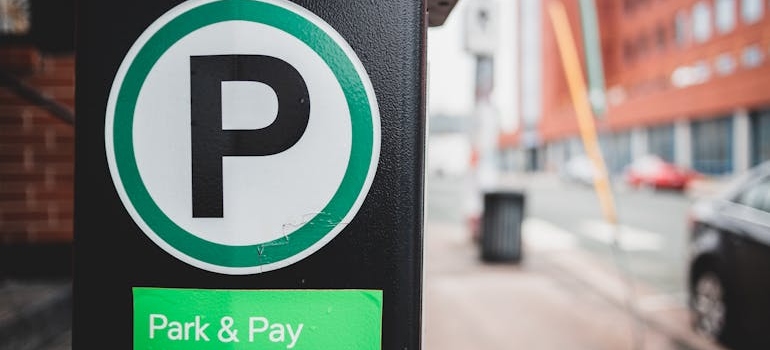
Paying via SMS: How does it work?
To pay for Mawaqif parking by SMS, send a message to 3009 using the required format:
- vehicle plate category and number
- parking type
- number of hours, separated by spaces
Select S for standard parking or P for premium parking. For vehicles registered outside Abu Dhabi, include the correct emirate and plate-category code shown on the parking meter or official instructions.
After sending the message, wait for a confirmation SMS before leaving the vehicle; without confirmation, the payment may not be active. A reminder is usually sent before expiry, and you can extend the session by replying, provided you do not exceed the space’s maximum stay.
Can you pay for Abu Dhabi parking with a Dubai plate?
A Dubai-registered vehicle can use paid Mawaqif parking in Abu Dhabi without being registered locally. The important step is to enter the Dubai plate details exactly as they appear on the vehicle registration card, including the correct plate category and number. This is especially important for rental cars, as an incorrect plate category can cause the payment to fail or be linked to the wrong vehicle.
Drivers should also confirm whether the space is:
- standard
- premium
- residential
- otherwise restricted
A successful parking payment does not override resident-only hours, villa parking restrictions, maximum-stay limits, or other conditions shown on the nearest sign, so drivers must still follow the parking rules in Abu Dhabi.
What are the common parking violations and longer-stay options?
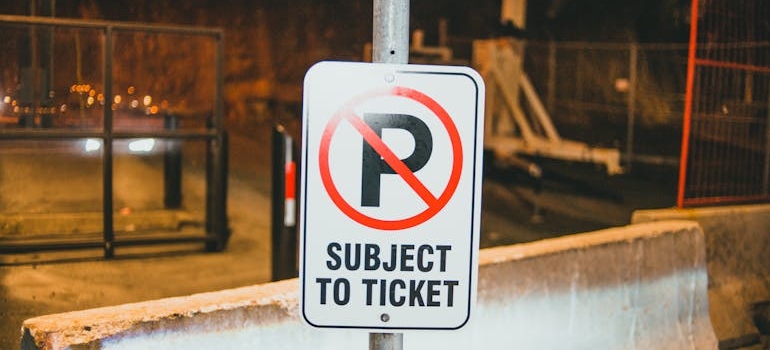
There are several violations that drivers should take seriously, including failing to pay, allowing a parking session to expire, double parking, blocking access, parking in a prohibited area, and using a space reserved for People of Determination without authorisation. Legal loading points and confirmed access arrangements are especially important when trying to avoid parking tickets on a moving day. Fine amounts and enforcement measures can change, so drivers should check the current violation details and the latest Abu Dhabi public parking guidelines through an official Abu Dhabi Mobility or TAMM service rather than relying on an old list.
The parking rules in Abu Dhabi are not minor suggestions. The city expects drivers to read signs, choose legal spaces, pay for the time they use, and keep entrances, loading areas, and traffic lanes clear.
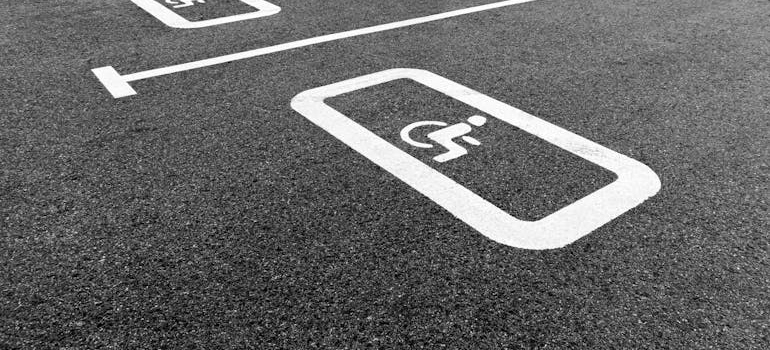
Drivers who need parking for more than a few hours can use the AED 15 standard daily rate for up to 24 hours or consider an eligible resident permit, multi-storey parking arrangement, or private building facility. These choices can suit commuters, frequent visitors to central districts, or drivers who know their schedule in advance. From a cost point of view, some of the most practical parking options in Abu Dhabi come from matching the permit, facility, or daily rate to your routine instead of paying one hour at a time every day.
What parking rules apply to businesses in Abu Dhabi?
In Abu Dhabi office areas, parking usually falls under the Mawaqif public parking system, so workers and visitors need to follow the Abu Dhabi public parking guidelines, use marked standard or premium spaces, pay during the posted hours, and observe zone-specific limits. Abu Dhabi Mobility states that Mawaqif regulates parking across the emirate, while TAMM notes that companies can also face fines for reserving or using parking spaces for commercial activities without the proper permit.
In practice, that means office staff should not treat nearby curbside spaces as private company parking unless a formal reservation or permit exists, and drivers should always check signs, timing, and the parking rules in Abu Dhabi before leaving the car.
If you are moving your business to Abu Dhabi, our office movers in Abu Dhabi coordinate vehicle access, loading times, building requirements, and the applicable public parking rules. Any required government permit, reserved-space approval, or building charge should be confirmed before moving day.
What special parking restrictions should drivers know?
There are special categories such as :
- parking for People of Determination
- electric vehicle charging zones
- motorbike parking
- mixed-use areas like the Corniche
These categories matter because one rule does not cover every curb or lot in the city. A space that looks open may still carry a restriction linked to disability access, charging use, or a special local scheme. That is why experienced drivers treat every sign as a fresh instruction instead of relying on memory alone.
Good habits are simple and should be followed at every new location.
- Read the colour code before parking.
- Check the time range on the sign.
- Use a supported payment method and keep the confirmation.
- Keep track of how long you plan to stay and the maximum permitted duration.
- Check whether the bay is reserved for residents, loading, charging, taxis, buses, or People of Determination.
These steps prevent most avoidable problems and belong among the practical rules to live by after moving to Abu Dhabi. Local signs take priority over assumptions based on another street or district, so drivers should check the applicable restrictions again at every new location.
How do HOA and building management parking rules apply?
In Abu Dhabi, an HOA-style body applies to parking mainly inside private developments, towers, and shared residential compounds, not to normal curbside Mawaqif spaces. Public street parking falls under Abu Dhabi Mobility’s Mawaqif system, which manages and enforces the Abu Dhabi public parking guidelines across the emirate.
Inside a private building or community, the owners’ association and the building management system can set rules for how common areas are used. Abu Dhabi’s common property regulation treats parking areas as part of those managed shared areas in many developments, and it says the building management system can include rules for the use of common areas that bind owners and occupiers.
So in practice, the HOA or owners’ association can control things like assigned bays, guest parking, stickers, access cards, overnight limits, towing policies, and use of shared parking inside the property. It cannot override public parking law outside the building, and any building rule that conflicts with applicable law is ineffective.
For an office or apartment move, that means you need to check two layers at once: the parking rules in Abu Dhabi for the street, and HOA or building management rules for loading bays, basement parking, visitor spaces, and move-in access inside the property.
What should you do if you receive a parking fine?
If you receive a parking fine in Abu Dhabi, check the vehicle plate, date, location, and violation type through the official Abu Dhabi channels. Many transport violations can be reviewed and paid through TAMM, while an objection to an Integrated Transport Centre violation can generally be submitted within 60 days of the violation date. Keep the payment receipt or objection reference, especially if the fine affects a work vehicle, rental car, or move-related vehicle, and inform the rental company, employer, or fleet manager when the vehicle is not privately owned.
How do parking rules in Abu Dhabi differ from Dubai?
The biggest difference between parking in Abu Dhabi and parking in Dubai is the system itself. Abu Dhabi uses Mawaqif under Abu Dhabi Mobility, while Dubai’s public paid parking is run by Parkin alongside RTA services. Abu Dhabi’s public parking is usually split into premium, standard, and resident-permit spaces. Dubai uses a wider zone-based structure with different tariffs by zone and, since 2025, variable pricing in many areas.
How does GI Movers handle parking during an Abu Dhabi move?
Skip the access and loading stress and let movers and packers in Abu Dhabi handle the practical planning. GI Movers coordinates access, loading, timing, and building rules so your move stays on track from start to finish. Our movers and packers in Abu Dhabi check parking zones, loading points, permitted moving hours, service-lift arrangements, and building management requirements. Government parking charges, building permits, reserved-bay fees, or access deposits may still apply, and the Abu Dhabi public parking guidelines should be checked for the planned loading location before moving day. Share the building address and access instructions when requesting a quote so GI Movers can plan the correct truck, loading point, and arrival time.
Testimonials

Recently moved our one-br apartment through GI Movers. Team was courteous, professional and quite dedicated. It was a great end-to-end experience. Glad we made the right choice this time after struggling with multiple other movers on previous occasions. Definitely recommended!
Ali Khan
