

Parking Rules in Abu Dhabi
Abu Dhabi runs a structured parking system that helps drivers find legal spaces, pay the right fee, and avoid costly mistakes. Anyone who drives often in the city should learn the parking rules in Abu Dhabi before relying on street parking near offices, homes, shopping areas, or waterfront districts. Mawaqif shapes how public parking works, from premium bays and standard spaces to resident permits and payment tools. That makes parking less confusing once you know what each sign, zone, and time window means. So, if you’ve embraced life in Abu Dhabi, learn about parking rules and options.
Table of Contents
Why Parking Rules in Abu Dhabi Matter for Daily Driving
The city has a large number of vehicles on the road, so navigating Abu Dhabi traffic and parking control plays a major role in keeping traffic moving. Public parking is generally paid, so drivers cannot assume an open spot is free just because it is empty. A few minutes of care can save you from fines, towing, or a frustrating delay in a busy district.

Understanding the Main Parking Options in Abu Dhabi
The most common parking options in Abu Dhabi fall under the Mawaqif system. Drivers usually deal with standard parking, premium parking, and residential parking.
- Standard spaces suit longer stays at a lower rate, while premium spaces cost more and usually sit in busier areas where turnover matters.
- Residential parking adds another layer because permit holders get priority in protected neighborhoods.
This setup gives drivers several ways to match price, location, and length of stay.
Standard parking is the more budget-friendly choice, with an hourly fee of AED 2 and a daily option of AED 15. Premium parking costs AED 3 per hour and usually comes with a shorter maximum stay of four hours. The city uses paid public parking zones and highlights free parking on Sundays and national holidays. That distinction matters because the right choice often depends on how long you plan to stay and how central the area is
Parking Rules in Abu Dhabi for Standard, Premium, and Residential Areas
When people talk about parking rules in Abu Dhabi, they often mean the small details that shape daily decisions. Standard zones usually work well for errands that may take longer, while premium bays fit shorter visits in high-demand areas. Residential bays differ because they are not just another paid public space. They serve people who live in the area and hold valid permits, which means visitors need to check the timing before leaving a vehicle there overnight or during protected hours.
Color-Coded Zones
Color coding helps drivers read the system quickly. Blue and black signs mark standard parking, while blue and white signs mark premium parking. Yellow and black markings indicate no-parking zones, which drivers should never use. Reserved residential zones also require extra attention because they are linked to permit access rather than simple hourly payment. Once drivers learn these visual cues, Abu Dhabi parking rules become much easier to follow in practice.

Abu Dhabi Parking Rules for Paid Timing and Free Hours
Timing is one of the most important parts of Abu Dhabi parking rules. Beno states that paid parking usually runs from 8:00 AM to 12:00 midnight from Saturday to Thursday. Fridays and public holidays are generally free, while most areas also become free overnight. Drivers should still read local signs because some zones may carry special conditions.
These rules affect how people plan workdays, dinner outings in Abu Dhabi, and overnight stays. A driver who parks late in the evening may pay nothing in many areas, yet the same street can return to paid status the next morning. That is why routine matters. Check the posted sign, note the time, and decide whether the area matches the duration of your visit. Many mistakes happen not because drivers ignore the law, but because they assume a rule from one area applies everywhere else.
Resident Permits and Household Access
Residential parking permits matter most for people who live in apartment districts where curb space is limited. Beno reports that residential parking is meant for residents and tenants with valid permits, and it lists an annual fee of AED 800 for the first permit and AED 1,200 for the second. That fee structure shows that the city gives residents a formal path to secure access near home rather than forcing them to rely on general public spaces.
For daily life, this system can make a big difference. Residents do not need to circle the block as often, and visitors can better judge where they should and should not park. Also, the city separates public use from resident-focused access. In practical terms, one of the smartest parking options in Abu Dhabi for long-term residents is to sort out permit eligibility early instead of paying public fees again and again.
How to Pay Without Wasting Time
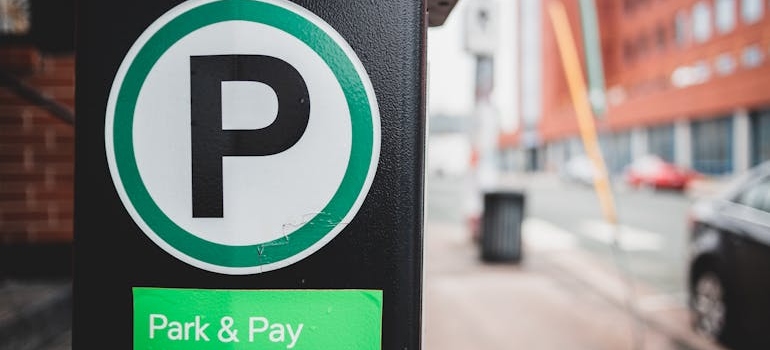
Payment methods are one of the more convenient parts of the system. Drivers can use SMS, the DARB app, parking meters, and Mawaqif cards. SMS works well for fast on-street payment, while the app helps users find a space, pay, and extend time. Parking meters still matter in busy commercial zones, especially for people who prefer a physical ticket. Frequent users may find stored-value cards more practical than entering the same details every day.
This mix of tools gives drivers flexible parking options in Abu Dhabi across different routines. Someone stopping for a short appointment may prefer SMS. A commuter who parks often may want a card or app-based routine. A visitor without local setup may find a meter easier. The system works best when people choose one method they trust and use it consistently, because payment errors often come from rushing through unfamiliar steps instead of from the fee itself.
Common Violations, Daily Passes, and Longer Stays
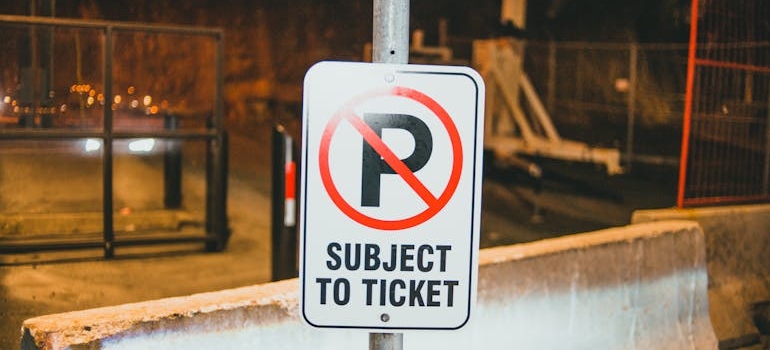
There are several fines that drivers should take seriously. Non-payment or an expired ticket can cost AED 200. Double parking and parking in prohibited areas can lead to AED 500 fines.
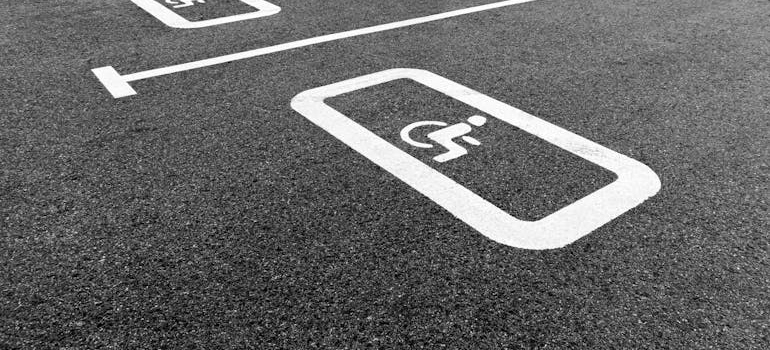
Spaces reserved for People of Determination carry even heavier penalties, including AED 1,000 and possible impounding according to the Beno guide. These examples show why Abu Dhabi parking rules are not minor suggestions. The city expects drivers to read signs, choose legal spaces, and pay for the time they use.
For people who need more than an hour or two, daily and monthly solutions. It lists AED 15 as a standard 24-hour pass and gives monthly package figures for standard and premium use. These choices can suit commuters, frequent visitors to central districts, or drivers who know their schedule in advance. From a cost point of view, some of the most practical parking options in Abu Dhabi come from matching the permit or pass to your routine instead of paying one hour at a time every day.
Business Parking Rules in Abu Dhabi
In Abu Dhabi office areas, parking usually falls under the Mawaqif public parking system, so workers and visitors need to use marked standard or premium spaces, pay during the posted hours, and follow zone-specific limits. Abu Dhabi Mobility states that Mawaqif regulates parking across the emirate, while TAMM notes that companies can also face fines for reserving or using parking spaces for commercial activities without the proper permit. In practice, that means office staff should not treat nearby curbside spaces as private company parking unless a formal reservation or permit exists, and drivers should always check signs, timing, and payment rules before leaving the car.
By the way, if you are moving your business to Abu Dhabi, don’t worry about parking. Our office movers in Abu Dhabi know all the parking rules and behave accordingly to them.
Special Cases and Smarter Habits
There are special categories such as parking for People of Determination, electric vehicle charging zones, motorbike parking, and mixed-use areas like the Corniche. These categories matter because one rule does not cover every curb or lot in the city. A space that looks open may still carry a restriction linked to disability access, charging use, or a special local scheme. That is why experienced drivers treat every sign as a fresh instruction instead of relying on memory alone.
Good habits are simple.
- Read the color code before parking.
- Check the time range on the sign.
- Use one reliable payment method.
- Keep track of how long you plan to stay.
These steps may sound basic, yet they solve most issues before they start. Once drivers build that routine, parking rules in Abu Dhabi feel much less like a legal maze and much more like a set of clear daily steps that protect time and money.
A careful driver does not need to memorize every corner of the city to park well. You only need to understand the core system, watch the posted timings, and choose the right zone for your stay. That is the simplest way to follow parking rules in Abu Dhabi, compare the best parking options in Abu Dhabi, and stay on the right side of Abu Dhabi parking rules each time you leave your car in the capital.
How Does Hoa Apply to Parking Rules
In Abu Dhabi, an HOA-style body applies to parking mainly inside private developments, towers, and shared residential compounds, not to normal curbside Mawaqif spaces. Public street parking falls under Abu Dhabi Mobility’s Mawaqif system, which manages and enforces public parking across the emirate.
Inside a private building or community, the owners’ association and the building management system can set rules for how common areas are used. Abu Dhabi’s common property regulation treats parking areas as part of those managed shared areas in many developments, and it says the building management system can include rules for the use of common areas that bind owners and occupiers.
So in practice, the HOA or owners’ association can control things like assigned bays, guest parking, stickers, access cards, overnight limits, towing policies, and use of shared parking inside the property. It cannot override public parking law outside the building, and any building rule that conflicts with applicable law is ineffective.
For an office or apartment move, that means you need to check two layers at once: city parking rules for the street, and HOA or building management rules for loading bays, basement parking, visitor spaces, and move-in access inside the property.
What if You Get a Fine
If you get a parking fine in Abu Dhabi, act fast and check the violation through the official Abu Dhabi channels before the deadline. You can review and pay many fines through TAMM and related government parking services, which helps you avoid added issues or delays. Keep a copy of the payment confirmation for your records, especially if the fine affects a work vehicle, a rental car, or a move-related vehicle. Paying early also helps you clear the issue before it disrupts your plans or creates extra costs.
How Do Parking Rules In Abu Dhabi Differ From Dubai
The biggest difference between parking in Abu Dhabi and parking in Dubai is the system itself. Abu Dhabi uses Mawaqif under Abu Dhabi Mobility, while Dubai’s public paid parking is run by Parkin alongside RTA services. Abu Dhabi’s public parking is usually split into premium, standard, and resident-permit spaces. Dubai uses a wider zone-based structure with different tariffs by zone and, since 2025, variable pricing in many areas.
Did You Know You Don’t Have to Worry About Parking When Relocating With GI Movers to Abu Dhabi?
Skip the parking stress and let movers and packers in Abu Dhabi handle the hard part. GI Movers plans access, loading, timing, and building rules so your move stays on track from start to finish. Our movers and packers in Abu Dhabi know parking zones, timing rules, and HOA rules, so you don’t have to worry about paying a parking fee when unloading a moving truck. Reach out today and move with a team that knows Abu Dhabi well.
Testimonials

Recently moved our one-br apartment through GI Movers. Team was courteous, professional and quite dedicated. It was a great end-to-end experience. Glad we made the right choice this time after struggling with multiple other movers on previous occasions. Definitely recommended!
Ali Khan

